
Soon stocks will run out
Dont miss this opportunity while supplies last.


Soon stocks will run out
Dont miss this opportunity while supplies last.

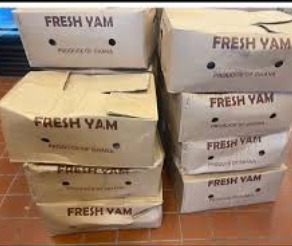


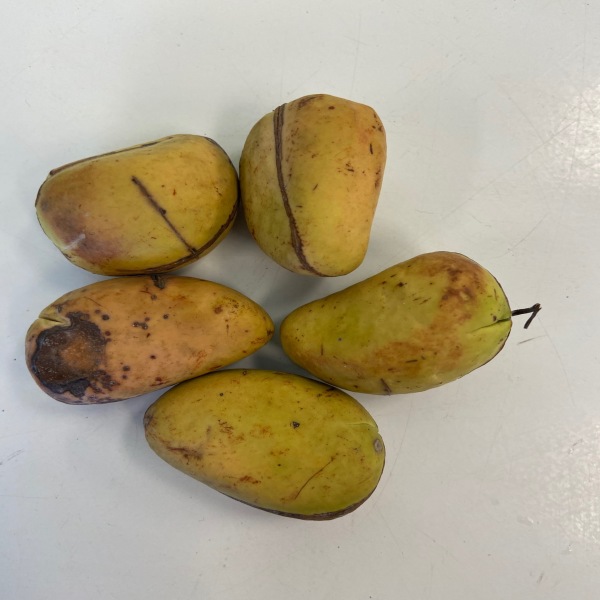
KOLANUT
KOLANUT is a traditional African nut with a bold, slightly bitter taste and natural stimulating properties. Revered in cultural ceremonies and social gatherings, it is also valued for its potential health benefits. Ideal for those seeking a natural energy boost or exploring African traditions.
In Stock
Payment. Payment upon receipt of goods, Payment by card in the department, Google Pay, Online card, -5% discount in case of payment
Warranty. The Consumer Protection Act does not provide for the return of this product of proper quality.
Description
KOLANUT is a traditional, culturally significant nut native to West Africa, known for its strong bitter-to-slightly-sweet taste and stimulating effects. Often referred to as the “African Kolanut,” it holds deep ceremonial, social, and medicinal value in many African communities, particularly in Nigeria, Ghana, and Cameroon. Kolanut is commonly used in cultural rituals, hospitality offerings, and traditional medicine due to its natural caffeine content and potential health benefits.
This product is sourced from premium-quality kolanuts, carefully selected for freshness and potency. Each nut is sun-dried to preserve its natural compounds, ensuring an authentic and energizing experience. Kolanut is typically chewed raw, used in traditional ceremonies, or ground into powder for herbal preparations.
| Attribute | Details |
|---|---|
| Product Name | Kolanut (African Kolanut) |
| Form | Whole, dried nuts (may also be available in powdered form) |
| Taste | Bitter to slightly sweet, astringent |
| Origin | Sourced from West Africa (Nigeria, Ghana, or Cameroon) |
| Key Compounds | Caffeine, theobromine, kolanin (natural stimulants) |
| Uses | Traditional ceremonies, social rituals, natural energy booster, herbal remedies |
| Storage | Store in a cool, dry place away from moisture |
| Shelf Life | Up to 12 months if stored properly |
| Packaging | Sealed bags or eco-friendly packaging (varies by supplier) |
| Cultural Significance | Highly valued in Igbo, Yoruba, and other West African traditions |
Related products


Reviews
There are no reviews yet.